The 100% In-Store Journey: Physical Experience Enhanced by Digital
While the pandemic has significantly changed furniture shopping habits, there are still those who prefer the exclusive in-store experience. Feeling, trying out, getting advice, and engaging directly remain crucial for many shoppers. Even so, digital tools continue to play a key role in enhancing the in-person customer experience.
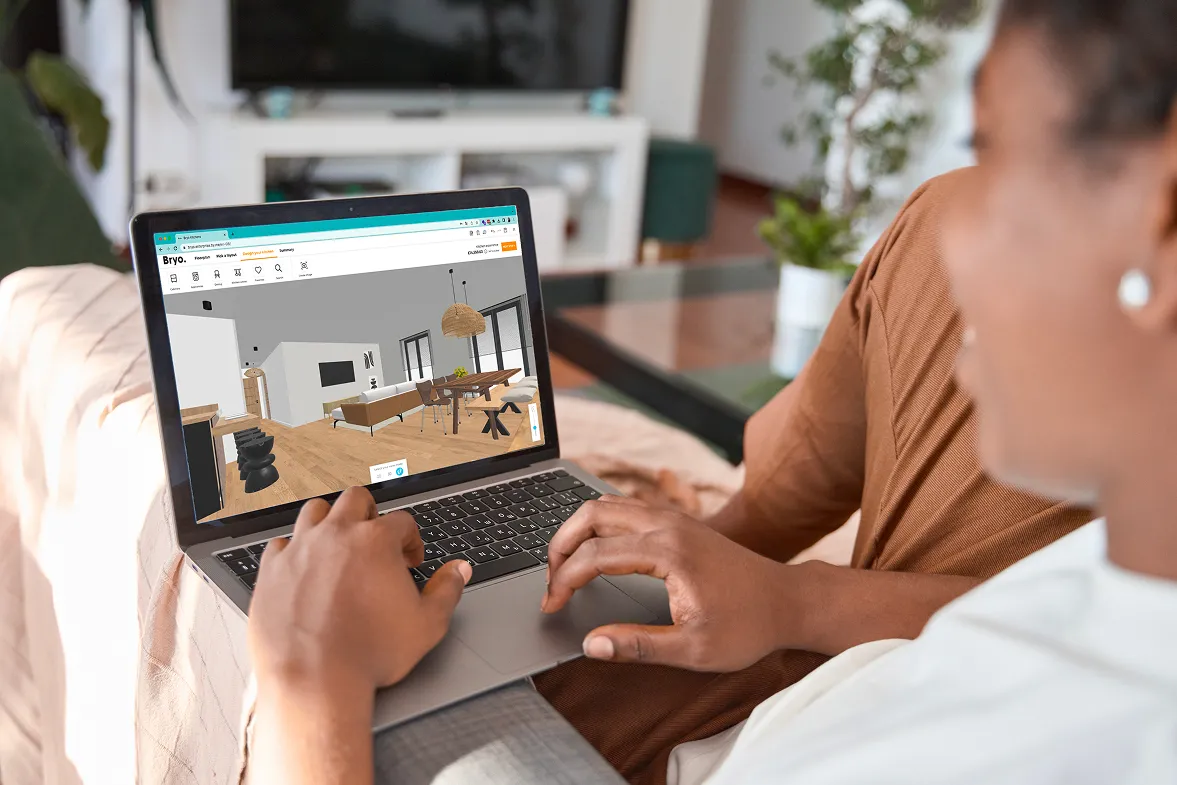
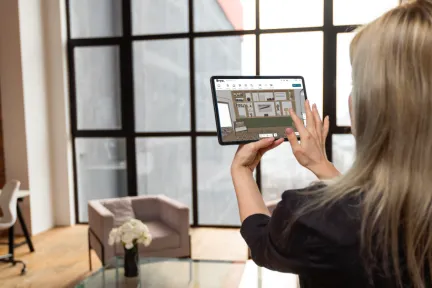
For example, Pino – a German kitchen manufacturer within the Nobilia group – uses HomeByMe to help its French retailers co-create projects in-store with customers. The 3D tool provides real-time visualization of the kitchen, making it easier for customers to visualize and make decisions.
Results:
- Faster decision-making
- Stronger trust between customer and seller
- Differentiation by providing high-quality support
The Hybrid Journey: Seamless Multichannel Engagement
Today, many customers switch between multiple channels before making a purchase. Online research, digital configuration, in-store visits, and point-of-sale transactions: hybrid journeys are becoming common. They combine fully digital stages with physical interactions before leading to a sale. The challenge for retailers? Maintaining consistency across these steps.
Gautier, a furniture manufacturer whose strategy emphasizes web-to-store, brings this approach to life. Customers gather as much information as possible online before visiting the store to finalize their project. Gautier has, in turn, strengthened its omnichannel approach by training its staff to help customers develop their projects. With solutions like Product Configurator or Furniture and Decor Planner, they can effectively meet customer needs.
Brico Dépôt Iberia (Spain) adopts a similar approach. The HomeByMe platform lets customers start their project online, designing at their own pace before visiting the store to continue and receive professional advice. Some even find what they’re looking for in-store and keep working on it at home. They get inspiration from the website and store, compare options at home, finalize their project, and place their order online.
This back-and-forth between channels lets customers take charge of their project while getting the human support they need, which is still crucial. This hybrid method allows:
- Greater customer engagement in their project
- Maximum personalization
- Improved efficiency in the sales phase
Expert follow-up to maintain consistency across digital and physical channels