Scroll, Explore, Purchase: How to Create a Frictionless Customer Journey
The average American adult checks their phone 144 times a day. Retailers at the cutting edge transform every one of these into potential sales opportunities.
It’s well known that digital channels are crucial – two thirds of U.S. consumers begin their furniture buying journey virtually. Even so, in-store purchases still dominate: 57% of total spend in furniture happens in physical stores. This means that retailers must first capture attention online and then turn that interest into investment in-store.
How can businesses make this possible? The answer lies in curating an omnichannel journey with digital solutions that seamlessly bridge the gap. Here’s how retailers can meet rising expectations and create seamless journeys for their customers.
Capture Attention Through Interactive Experiences
Attention is fleeting. Today's consumers scroll past static product images in seconds. To break through the noise and pull shoppers into the inspiration phase, retailers need solutions that transform casual browsers into active creators. Especially since HomeByMe’s research shows 50% of consumers would buy a sofa from a brand offering an online configurator. This is even more crucial for kitchen projects with 76% of consumers wanting to use 3D planners for their next kitchen project.
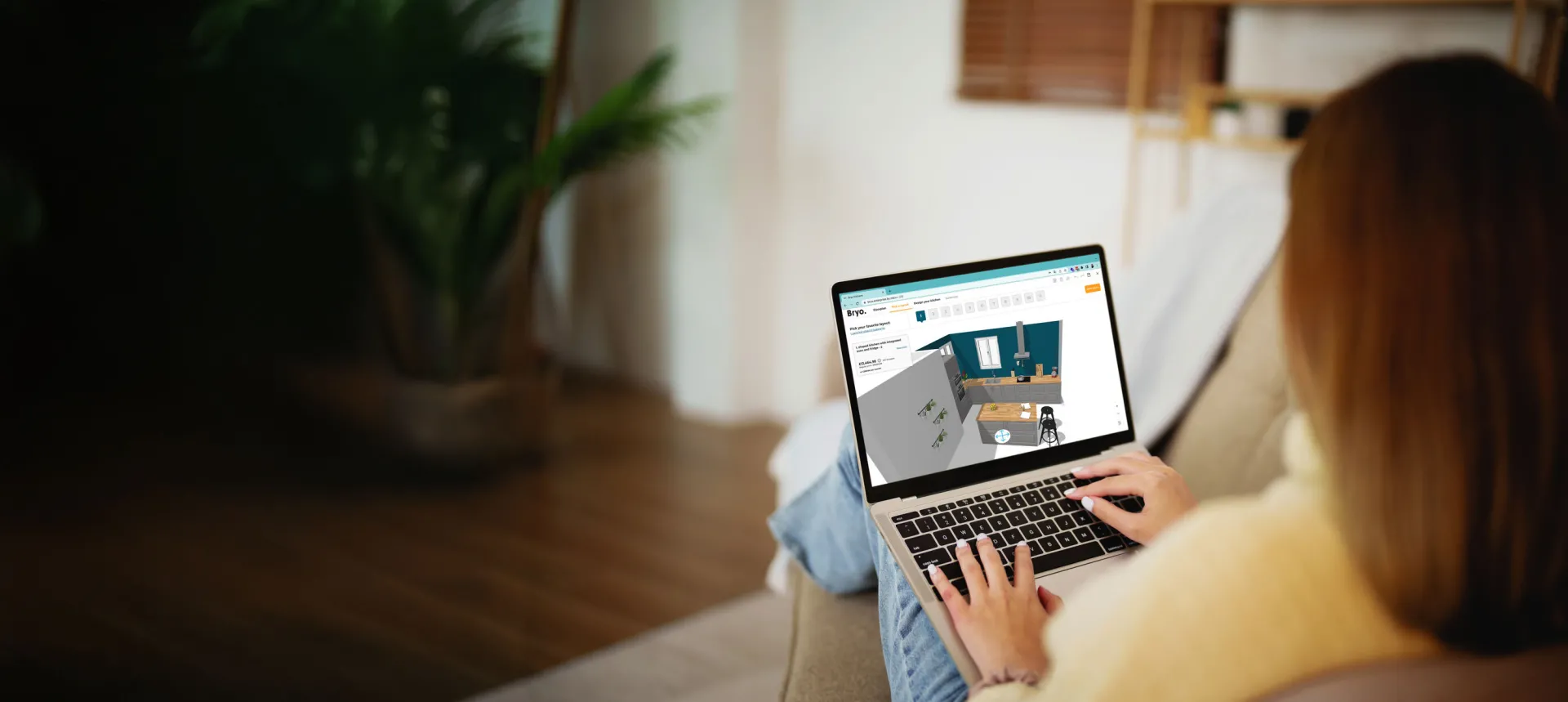
Interactive configurators and 3D planners are therefore game changers for retailers. Instead of simply viewing furniture, customers can experiment with thousands of combinations, visualize how pieces will look in their actual spaces, and build complete room designs from scratch. When someone invests 20-30 minutes designing their ideal living room, they develop emotional ownership of that vision, and they're far more likely to visit your store to bring it to life.
Create In-Store Continuity
After investing time into visualizing and personalizing their dream spaces online, consumers expect to pick up their journey exactly where they left off. When they walk into a store, they want reassurance that the process will become easier, not more complicated.
This is why integrating physical and digital experiences is so crucial. When consumers can retrieve their saved projects in-store, refine their choices with a salesperson, and make real-time adjustments, they feel understood and supported.
Empower Sales Teams with Intelligence
Digital transformation doesn’t mean eliminating in-store professionals. 90% of consumers shopping for furniture consult staff and prefer in-person interactions. They even appreciate discounts more when they’re provided by human salespeople than online ones. However, what they don't want is to be slowed down by clunky technology or sales staff who can't access their information.
When your team has integrated customer data platforms, they can greet shoppers already knowing their style preferences, saved configurations, and browsing history. Instead of gathering basic information, consultants focus on building relationships, offering expert advice, and closing sales. Technology becomes invisible, enabling connection rather than hindering it.
Final Thoughts
Modern consumers don't think in channels. They expect one seamless experience from Instagram and/or website to showroom. Retailers who eliminate the artificial barrier between "online" and "in-store" will dominate the next era of furniture retail.
Learn more about HomeByMe products and solutions and discover how we help retailers like you transform your offerings.